
Essential Credentials and Competencies for Workplace Transformation Consultants
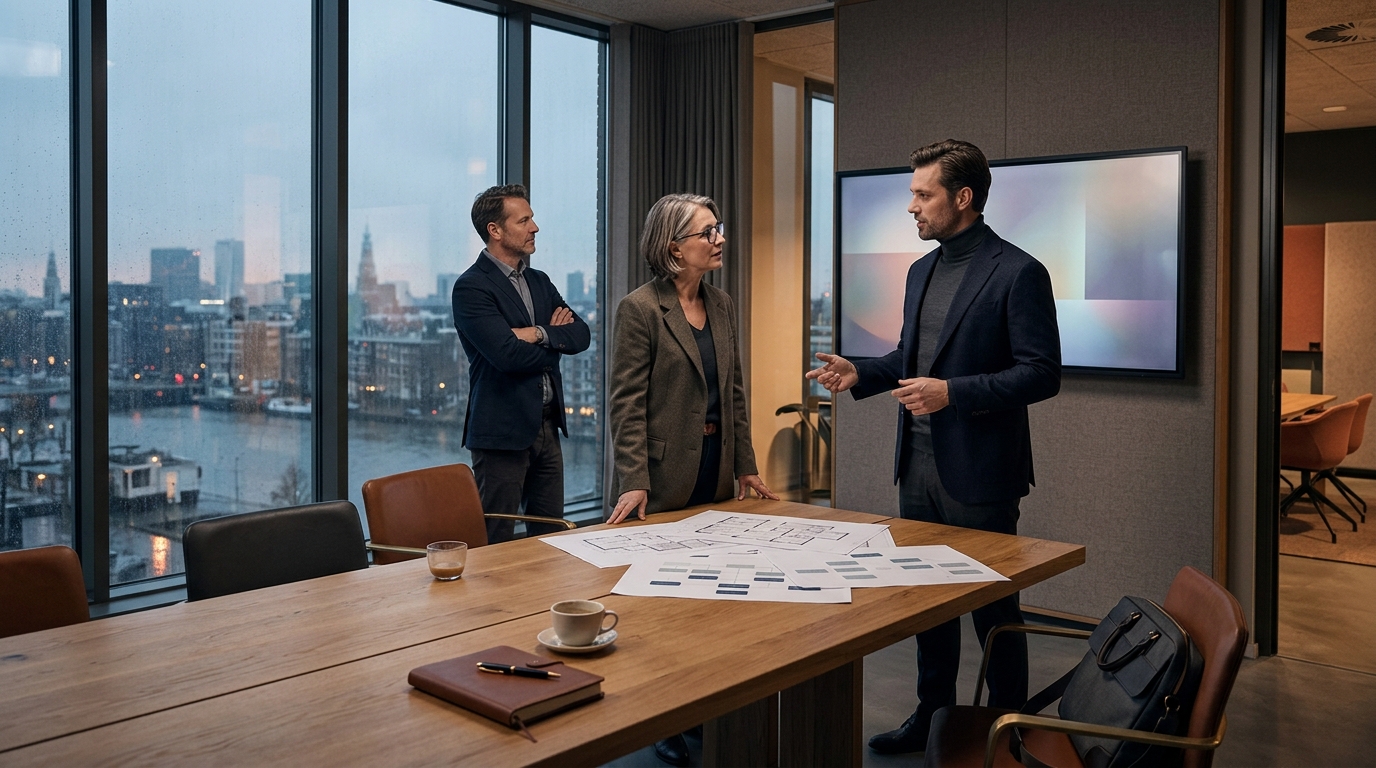
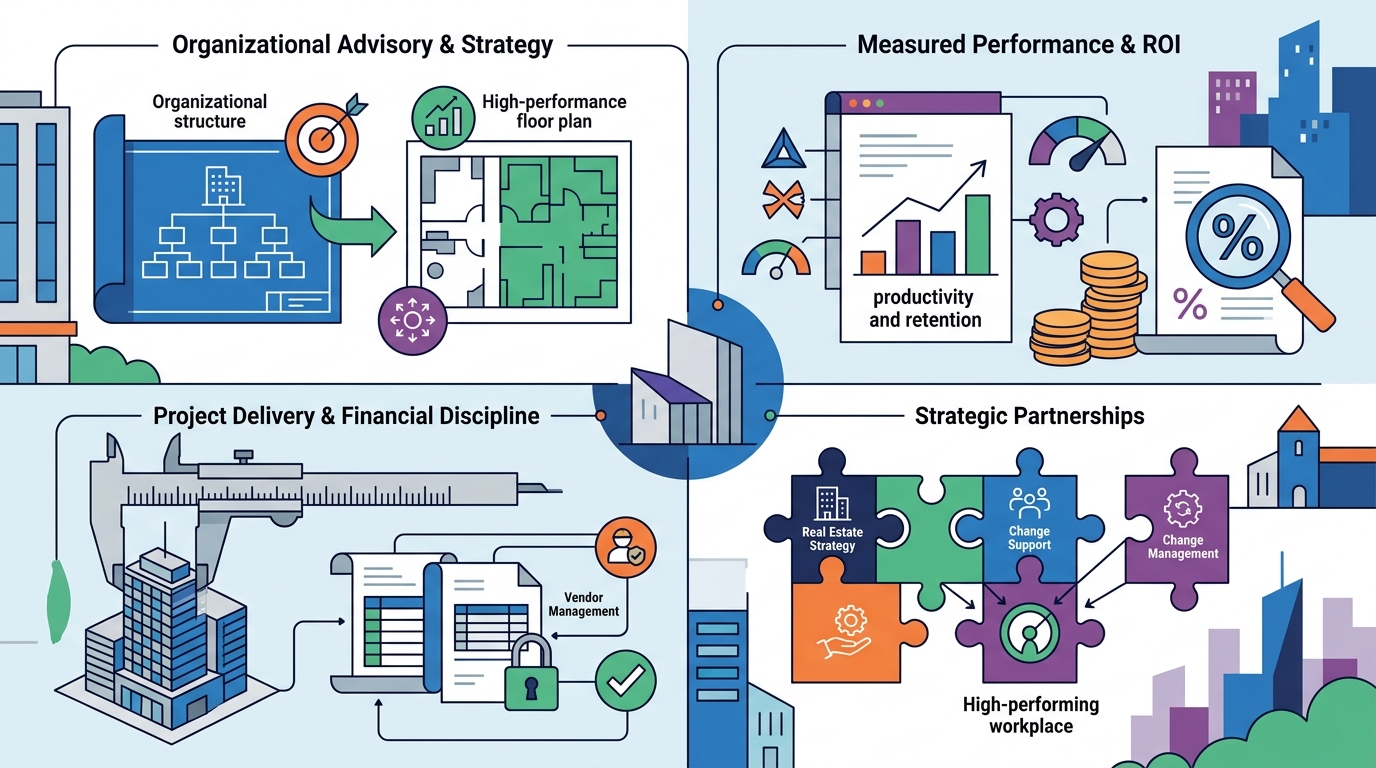
Organizations today face a critical inflection point where physical infrastructure directly dictates operational success. According to recent industry analyses on high-performance workplaces, companies that strategically align their physical environment with business goals see a measurable increase in employee productivity and retention. This shift moves the office from a cost center to a strategic asset, a philosophy championed by firms like WIAR Workplace Performance who specialize in engineering business performance. For consultants entering this space, possessing the right credentials is not merely about certification; it is about demonstrating the ability to bridge the gap between architectural design and human capital optimization.
The Imperative of Independent Advisory
One of the most significant differentiators in the consulting landscape is the stance of independence. Many traditional providers are loyal to their own product lines or vendor partnerships, which can lead to biased recommendations and inflated margins. A competent workplace transformation consultant must operate as a trusted advisor, guaranteeing 100% loyalty to the client's interests without ruggenspraak (backtalk) to the market.
This independence allows the consultant to optimize the entire value chain. For instance, when evaluating office layouts, an independent consultant can recommend specific acoustic solutions or furniture configurations that best suit the client's workflow, rather than pushing a proprietary inventory. This approach is critical for knowledge-intensive organizations where every square meter must contribute to operational excellence. Consultants who adhere to this model ensure that the workplace becomes a performance engine rather than a source of waste.
Risk-Bearing Realization Models
Traditional consulting often stops at the recommendation phase, leaving the client to manage the complex and risky implementation process. However, the most effective workplace transformation consultants combine strategic advice with risk-bearing realization. This means they do not just draw the blueprints; they take full responsibility for the delivery of the project.
Key competencies in this area include:
- Fixed Contract Sum Guarantees: The ability to lock in costs prevents budget overruns, a common pitfall in large-scale renovations.
- Guaranteed Delivery Dates: Minimizing downtime is crucial for business continuity. Consultants must manage timelines rigorously to ensure the office is ready when promised.
- End-to-End Project Management: From initial vision to final handover, the consultant must oversee all stakeholders, including architects, contractors, and facility managers.
By absorbing the risk, the consultant aligns their incentives with the client's success. This model is particularly effective for complex transformations, such as the design and build of team bases for global events, where precision and timing are non-negotiable.
Acoustic and Ergonomic Competencies
Workplace transformation is not just about aesthetics; it is about engineering the environment for human performance. A core competency for any consultant is the ability to diagnose and resolve issues related to noise, light, and physical comfort. In knowledge-intensive sectors, distraction is the enemy of productivity.
Consultants must understand the science of acoustic optimization. This involves specifying materials that reduce reverberation and implementing zoning strategies that separate focused work from collaborative areas. For example, in a historic building renovation, installing acoustic ceiling islands with integrated LED lighting can significantly improve focus without compromising the architectural heritage.
Furthermore, ergonomic expertise is essential. The shift toward sit-stand desks and flexible workstations requires a deep understanding of human physiology and workflow dynamics. Consultants must ensure that the physical layout supports both concentration and spontaneous interaction, creating a balanced ecosystem that reduces fatigue and enhances well-being.
Sustainability and Climate Compliance
In the modern regulatory landscape, sustainability is no longer optional. Workplace transformation consultants must possess the technical knowledge to upgrade climate installations and ensure energy efficiency. This includes integrating smart HVAC systems, utilizing sustainable materials, and optimizing energy consumption through intelligent lighting controls.
For organizations aiming to meet strict environmental standards, the consultant plays a pivotal role in upgrading climate installations and ensuring that the new workspace contributes to the company's broader ESG (Environmental, Social, and Governance) goals. This competency requires staying abreast of local building codes, energy regulations, and global sustainability frameworks.
Proven Track Record and Portfolio
Credentials are validated through experience. A consultant's portfolio should demonstrate a history of successful transformations across diverse sectors. This includes:
- Corporate Headquarters: Managing large-scale relocations and redesigns for multinational corporations.
- Non-Profit Organizations: Adapting historic or constrained spaces for mission-driven teams, such as the Amnesty International office renovation.
- Technology Firms: Creating agile, tech-enabled environments for IT and telecom companies like Axoft.
When evaluating consultants, look for evidence of their ability to handle the full spectrum of challenges, from initial housing advice to final construction management. The best consultants provide a seamless transition from vision to reality, ensuring that the final outcome matches the strategic intent.
Key Takeaways
- Independent advisory ensures unbiased recommendations focused solely on client value.
- Risk-bearing models protect clients from budget and timeline overruns.
- Acoustic and ergonomic expertise directly impacts employee productivity and well-being.
- Sustainability competencies are essential for regulatory compliance and ESG goals.
- A diverse portfolio demonstrates versatility and deep industry knowledge.
- Fixed contract sums provide financial predictability for large projects.
- End-to-end project management reduces client administrative burden.
Frequently Asked Questions
What is the difference between a traditional architect and a workplace transformation consultant?
A traditional architect focuses primarily on the design and structural integrity of a building. A workplace transformation consultant integrates architectural design with business strategy, human resources, and operational efficiency to create a high-performance environment.
Why is independence important in workplace consulting?
Independence ensures that the consultant's recommendations are driven by the client's specific needs rather than vendor commissions or proprietary product lines. This leads to more objective and effective solutions.
How do consultants ensure acoustic quality in new offices?
Consultants use specialized acoustic modeling and specify materials such as sound-absorbing ceilings, partitions, and flooring to control noise levels and reduce distractions in open-plan environments.
What role does sustainability play in workplace transformation?
Sustainability is integrated through energy-efficient systems, sustainable materials, and smart building technologies that reduce the carbon footprint and operational costs of the workspace.
Can a consultant guarantee the completion date of a renovation?
Yes, consultants who operate on a risk-bearing model often provide guaranteed delivery dates, taking full responsibility for managing the project timeline and mitigating delays.
What types of organizations benefit most from workplace transformation?
Knowledge-intensive organizations, including tech firms, financial institutions, and non-profits, benefit significantly as their physical environment directly impacts their ability to attract and retain top talent.
How does a consultant manage the transition from old to new office?
Consultants handle move management, including IT infrastructure setup, furniture installation, and employee communication, ensuring a smooth transition with minimal disruption to business operations.
Ready to Transform Your Workplace?
Stop treating your office as a cost center and start engineering it as a performance engine. Partner with a strategic advisor who combines independent insight with risk-bearing realization. Contact WIAR today to schedule an orientation conversation and discover how we can help you build a high-performance workplace that drives your business forward.