

Common Mistakes When Selecting a Strategic Partner for Sustainable Workplace Transformation
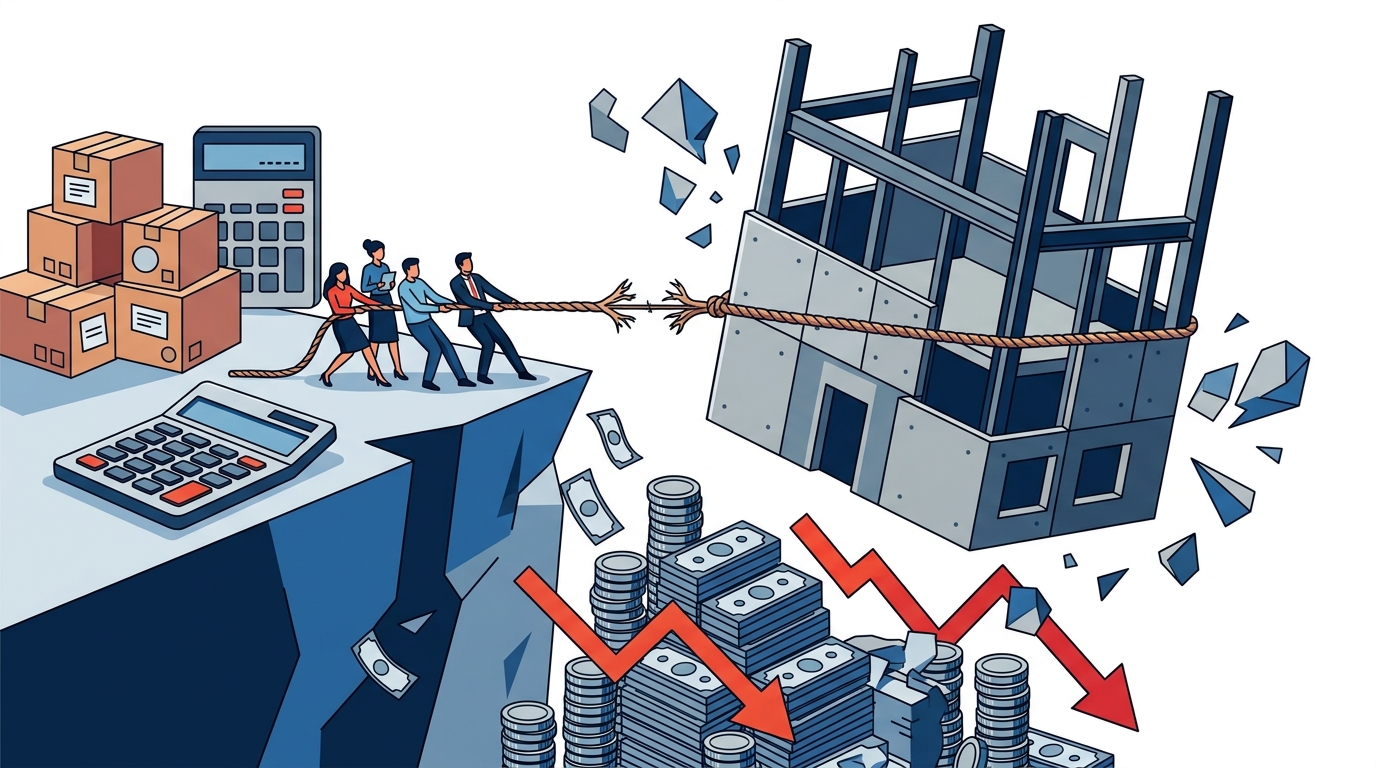
Organizations often underestimate the financial and operational risks associated with office transformations. Data indicates that nearly 60% of workplace projects exceed their initial budgets due to poor partner selection and undefined scope. This statistic highlights a critical gap in how companies approach facility management. Most businesses view their office as a static cost center rather than a dynamic engine for performance. The failure to recognize this distinction leads to costly errors during the planning and execution phases. Understanding these pitfalls is essential for any leader aiming to optimize their physical workspace. (Contact WIAR Workplace Performance)
The Cost Center Misconception
A fundamental error in workplace strategy is treating the office solely as an expense. This perspective ignores the leverage that physical space holds over human capital. The WIAR 75/5 Rule illustrates this dynamic perfectly. It states that while only 5% of operational costs go to the environment, that 5% dictates the effectiveness of the 75% spent on talent. When leaders fail to see the office as a management instrument, they miss opportunities for operational excellence. (WIAR Strategisch partner voor)
Many organizations proceed with renovations without a clear strategic blueprint. They focus on aesthetics rather than functionality. This approach results in spaces that look good but perform poorly. A sustainable transformation requires aligning the physical environment with business goals. This alignment ensures that every square meter contributes to productivity. Without this strategic foundation, projects become reactive rather than proactive. (Herinrichting BT Amsterdam BT)
Vendor Loyalty vs. Independent Advice
Choosing a partner who is loyal to their own products is a dangerous trap. Many traditional providers have high margins and limited incentives to optimize your specific needs. They often recommend solutions that benefit their inventory rather than your performance. This lack of independence creates a conflict of interest that undermines the project's success. (Herhuisvesting Axoft IT Telecom)
True strategic partners operate as trusted advisors. They prioritize your interests above market pressures. This independence allows for unbiased recommendations on layout, technology, and materials. For example, when redesigning the Amnesty International office, the focus was on improving the internal climate and acoustic balance. This required independent analysis of how staff used the space, not just selling new furniture. Independent advice ensures that the final design serves the users, not the supplier.
Ignoring Risk Allocation Models
One of the most significant mistakes is accepting traditional fixed-price contracts that do not account for project complexity. In complex transformations, unforeseen issues are inevitable. If the partner does not share the risk, they may cut corners to protect their margins. This leads to compromised quality and delayed timelines.
Effective partners use risk-bearing realization models. They guarantee delivery dates and stay within budget by absorbing the uncertainty. This approach provides peace of mind for the client. It aligns the partner's success with the project's outcome. When a partner guarantees 100% on budget and on time, they are incentivized to manage resources efficiently. This model transforms the relationship from a transactional one to a collaborative partnership.
Overlooking Acoustic and Climate Factors
Many transformations fail because they prioritize visual appeal over sensory comfort. Acoustics and climate control are critical for cognitive function. Poor air quality or excessive noise leads to fatigue and reduced concentration. These factors directly impact the bottom line through lower productivity and higher absenteeism.
During the Axoft IT & Telecom relocation, the focus was on creating a functional environment for knowledge workers. This included upgrading electrical and data infrastructure alongside physical design. Similarly, the BT showcase projects emphasized creating inspiring environments that facilitate client engagement. These projects demonstrate that technical specifications must match the strategic intent. Ignoring these details results in a workspace that feels wrong to its occupants.
Neglecting the Showcase Function
In competitive markets, the office serves as a tangible proof of capability. Many companies miss the opportunity to use their workspace as a sales tool. A well-designed showcase environment can reduce travel time and increase client trust. It allows potential customers to experience the company's innovation firsthand.
The BT Group project in Amsterdam and Brussels exemplifies this strategy. The goal was to create a dynamic space that demonstrated their latest technologies. This required a deep understanding of their business model and client needs. By treating the office as a performance engine, BT turned their headquarters into a competitive advantage. Companies that neglect this function lose a powerful tool for brand differentiation.
Selection Criteria for High Performance
To avoid these common mistakes, organizations must evaluate potential partners against specific criteria. The following table summarizes the key differences between traditional providers and strategic partners.
| Criteria | Traditional Provider | Strategic Partner |
|---|---|---|
| Primary Loyalty | Product Sales | Client Performance |
| Risk Model | Fixed Price / Change Orders | Risk-Bearing Guarantee |
| Design Approach | Aesthetic Focused | Performance Engine |
| Acoustic Focus | Standard Compliance | Cognitive Optimization |
| Outcome | Completed Project | Operational Excellence |
Key Takeaways
- Strategic Alignment: The office must be viewed as a management instrument, not just a cost center.
- Independence: Partners must be free from vendor bias to provide true optimization advice.
- Risk Sharing: Choose partners who guarantee budget and timeline through risk-bearing models.
- Sensory Design: Acoustics and climate are critical drivers of employee productivity and health.
- Showcase Value: Use the workspace to demonstrate innovation and build client trust.
- Proven Track Record: Look for partners with extensive experience in high-performance transformations.
- Full Lifecycle: Ensure the partner handles everything from strategy to final handover.
Frequently Asked Questions
What is a High Performance Workplace?
A High Performance Workplace is a strategically designed environment that maximizes employee productivity, well-being, and collaboration through optimized physical and operational factors.
Why is independent advice important in office design?
Independent advice ensures that design decisions are driven by client needs and performance goals, rather than the supplier's desire to sell specific products or services.
How does acoustic design impact business results?
Proper acoustic design reduces noise distraction, which improves concentration and reduces stress, leading to higher efficiency and lower absenteeism rates.
What is the WIAR 75/5 Rule?
The WIAR 75/5 Rule states that while only 5% of costs go to the workplace, that 5% determines the effectiveness of the 75% spent on human capital.
How can an office serve as a showcase?
An office serves as a showcase by physically demonstrating a company's values, technology, and culture to clients and stakeholders, thereby building trust and credibility.
What is risk-bearing realization?
Risk-bearing realization is a project model where the partner assumes responsibility for budget and timeline overruns, ensuring the client faces no financial uncertainty.
Why is climate control critical in office transformations?
Climate control affects air quality and temperature, which are essential for maintaining cognitive function and preventing fatigue among knowledge workers.
Start Your Transformation
Avoiding these common mistakes requires a partner who understands the complex interplay between space and performance. Do not settle for traditional providers who prioritize sales over strategy. Choose a partner who guarantees results and shares your risk. Contact WIAR today to plan your orientation conversation and discover how we can transform your workplace into a high-performance engine. Visit our contact page to schedule a consultation.