

Organizations managing large-scale workplace transformations often face a critical challenge: keeping complex projects within budget while delivering high-performance environments. According to industry data, over 60% of workplace projects exceed their initial financial estimates due to scope creep and poor vendor alignment. This financial leakage is not inevitable. It is the result of traditional procurement models that prioritize lowest cost over strategic value. By adopting a risk-sharing advisory model, companies can transform their physical workspace from a cost center into a strategic performance engine.
The Cost Center Paradox in Workplace Strategy
For decades, the corporate office has been viewed primarily as a financial burden. Real estate costs, maintenance, and utilities drain resources that could otherwise fuel innovation. However, this perspective ignores the operational reality of modern knowledge work. The physical environment directly dictates employee focus, collaboration efficiency, and overall productivity.
When organizations treat workplace projects as simple construction tasks, they lose control over the budget. Traditional project management separates strategy from execution. This disconnect allows costs to spiral as design decisions are made without financial guardrails. The result is a facility that is expensive to maintain and difficult to adapt.
Strategic workplace advisory firms address this by integrating financial discipline with design excellence. They ensure that every square meter delivers measurable value. This approach requires a fundamental shift in how organizations perceive their physical assets. The office is not just a place to sit. It is a tool for management.
The 75/5 Leverage Principle
Understanding the financial weight of workplace decisions requires looking at the broader organizational cost structure. In knowledge-intensive organizations, approximately 75% of total costs are attributed to talent and human capital. In stark contrast, only about 5% of costs are allocated to the physical work environment.
This disparity creates a powerful leverage opportunity. Workplace advisory firms utilize the 75/5 principle to demonstrate that a small investment in the physical environment yields disproportionate returns in human performance. Optimizing this 5% segment can significantly reduce absenteeism, improve concentration, and streamline operational processes.
When a company invests in a high-performance workplace, they are not spending money. They are investing in the efficiency of the 75% talent cost. This financial logic is central to how advisory firms justify budgets to executive boards. It shifts the conversation from expense to return on investment.
Independent Advisory vs. Vendor Sales
The traditional procurement process for workplace projects is often flawed. Companies typically engage vendors who are loyal to their own products. These vendors aim to maximize their margins by selling solutions that may not fit the client's specific operational needs. This misalignment leads to budget overruns and suboptimal outcomes.
Independent advisory firms operate differently. They act as trusted advisors with 100% loyalty to the client's interests. They do not hold inventory or sell proprietary furniture lines. Their role is to diagnose the organization's needs and design a solution that maximizes value.
This independence allows for objective decision-making. Advisory firms can recommend the most cost-effective materials and technologies without bias. They manage the procurement process to ensure transparency and fairness. This approach prevents the hidden costs that often plague vendor-led projects.
Risk-Sharing Delivery Models
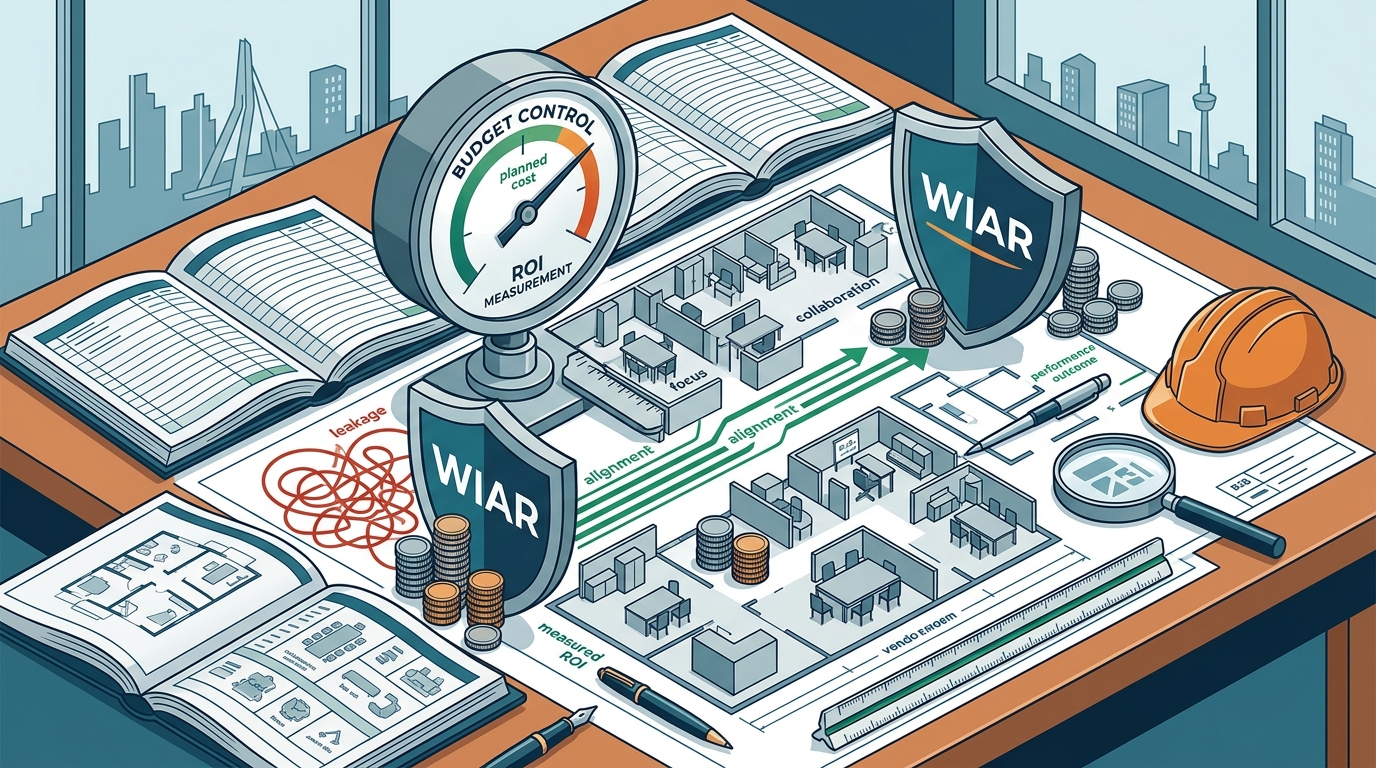
One of the most effective ways to manage budget risk is through a risk-sharing delivery model. In this framework, the advisory firm takes on the responsibility for the final outcome. They guarantee the project will be delivered on time and within the agreed budget.
This model eliminates the financial uncertainty for the client. If costs rise due to inefficiencies in design or construction, the advisory firm absorbs the risk. This alignment of incentives ensures that every decision is made with cost control in mind. It also encourages innovation in construction methods to find savings.
Key components of this model include:
- Fixed Contract Sum: The price is agreed upon upfront, providing financial certainty.
- Guaranteed Delivery Date: Time is money. Delays are costly, and this guarantee protects the client.
- 100% Independence: Advice is free from vendor bias, ensuring optimal value.
Proven Case Studies in Budget Control
Real-world examples demonstrate the effectiveness of this advisory approach. Large organizations across various sectors have successfully transformed their workplaces while maintaining strict budget discipline.
| Client | Project Scope | Advisory Role | Outcome |
|---|---|---|---|
| Amnesty International | 3,500 m² Renovation | Strategy, Design, PM | Improved climate and acoustics within budget |
| AkzoNobel | 13 Global Teambases | Design & Build | Consistent brand experience worldwide |
| BT Group | 4,500 m² Showcase | Project Management | High-impact client engagement environment |
| Axoft | 1,500 m² Relocation | Housing Advice | Seamless transition to new Rotterdam HQ |
These cases highlight the versatility of the advisory model. Whether managing a global rollout or a local renovation, the focus remains on strategic alignment and financial control. The result is a workplace that supports the organization's goals without breaking the bank.
Key Takeaways
- Workplace projects often exceed budgets due to misaligned vendor incentives.
- Independent advisory firms provide 100% loyalty to the client's strategic goals.
- The 75/5 principle shows that small workplace investments yield large talent returns.
- Risk-sharing models guarantee fixed prices and delivery dates.
- Case studies from Amnesty, AkzoNobel, and BT prove the model's efficacy.
- High-performance workplaces reduce absenteeism and improve focus.
- Strategic advisory bridges the gap between vision and financial reality.
Frequently Asked Questions
How do advisory firms keep workplace projects on budget?
Advisory firms use risk-sharing contracts with fixed sums. They manage the entire process from strategy to construction, eliminating vendor bias and scope creep.
What is the 75/5 principle in workplace strategy?
The 75/5 principle states that while only 5% of costs go to the workplace, it influences the 75% of costs related to talent. Optimizing this 5% drives massive efficiency gains.
Why is independent advice better than vendor sales?
Vendors sell their own products to maximize margins. Independent advisors select the best solutions for the client, ensuring cost-effectiveness and strategic fit.
Can advisory firms handle global workplace rollouts?
Yes. Firms like WIAR have managed complex global projects, such as the AkzoNobel teambases across 13 ports, ensuring consistency and budget control.
What is a High Performance Workplace?
A High Performance Workplace is a strategically designed environment that maximizes employee productivity, well-being, and collaboration through optimized physical and operational factors.
How does risk-sharing benefit the client?
Risk-sharing transfers the financial risk of overruns and delays from the client to the advisory firm. This provides certainty and protects the client's bottom line.
What services do workplace advisory firms offer?
Services include workplace strategy, housing advice, interior design, procurement management, construction management, and post-occupancy evaluation.
Start Your Transformation
Stop letting workplace projects drain your resources. Transform your office into a strategic asset that drives growth and efficiency. Partner with an independent advisory firm that guarantees results. Contact WIAR today to schedule your orientation conversation and discover how we can deliver your high-performance workplace within budget.